Araara AdḃBa — Second Blemished Divergence of welcoming Qi
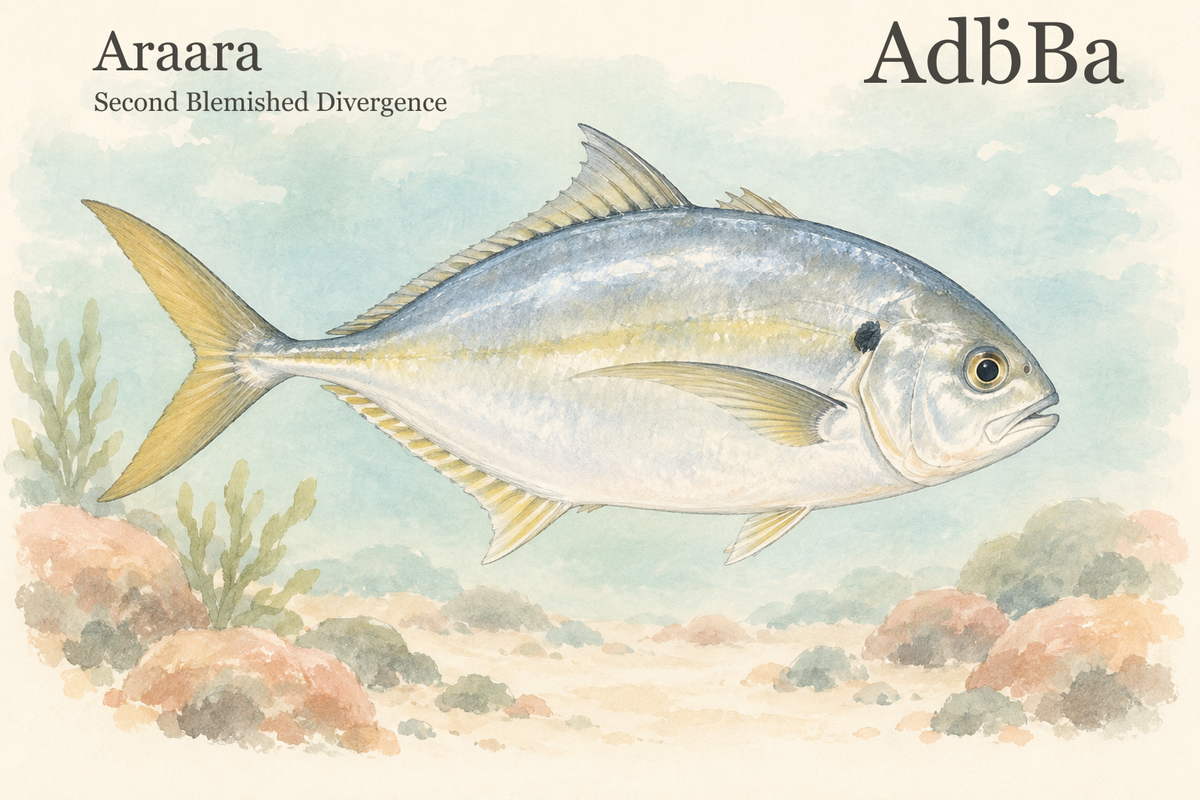
You found it! This is an easter egg post in the Araara series—number 18.5, tucked between the eighteenth and nineteenth posts. In the preceding post, we drew the solar system from its tetrathets. Let’s try the same names around another star: Blemish, usually called TRAPPIST-1.
We’ll meet seven worlds here. Their short names describe the sizes of their orbits; the three full names beside each image give mass, mean radius, and orbital distance, in that order. The same rules that named Earth and its neighbours work here too.
Globasa is the default. You can switch every name and the table heading to English just below. In Globasa, Unyum is First, Duayum Second, and day- marks a doubled tetragram. The letters b–h help us match these entries to the astronomical literature.
The images are imaginative reconstructions. The names are tied to measurements; the pictures explore appearances those measurements leave open. I’d love us eventually to compare them with photographs of the real worlds.
Read one world with me: Transformation
The first planet, conventionally TRAPPIST-1 b, is called Transformation here: Dayalocu in Globasa. Its full distance name is Second Transformation of welcoming Qi.
气𝌯〢𝌡̇
The prefix 气𝌯 tells us that we are reading a length. 〢 selects the second level. The dotted 𝌡 is two copies of Change, whose doubled name is Transformation. At that level, Change contributes (392 + 1)/2; doubling it gives 392 + 1, about 7.86 × 1043.
The distance interval named by Transformation begins at about 7.86 × 1043 Planck lengths. The orbit’s reference estimate is about 1.07 × 1044 Planck lengths, inside that interval. A short name preserves the scale without pretending to preserve every digit.
Now look at the three names below its image. The first is its mass, in exemplary Qi; the second is its mean radius, in welcoming Qi; the third is the orbital distance we just read. The mass entry gives bounds because the available estimates span more than one ordinary leading-value bin. Radius and orbital distance each support the simpler name shown. The catalogue’s source notes give the measurement ranges.
Burtyan su sistema
| Sistema |
|---|
| Dayalocu |
| Musiya |
| Musiyali Dayalocu |
| Daymusiya |
| Juhudi |
| Juhudine Jawabu |
| Juhudine Musiya |
Burtyan
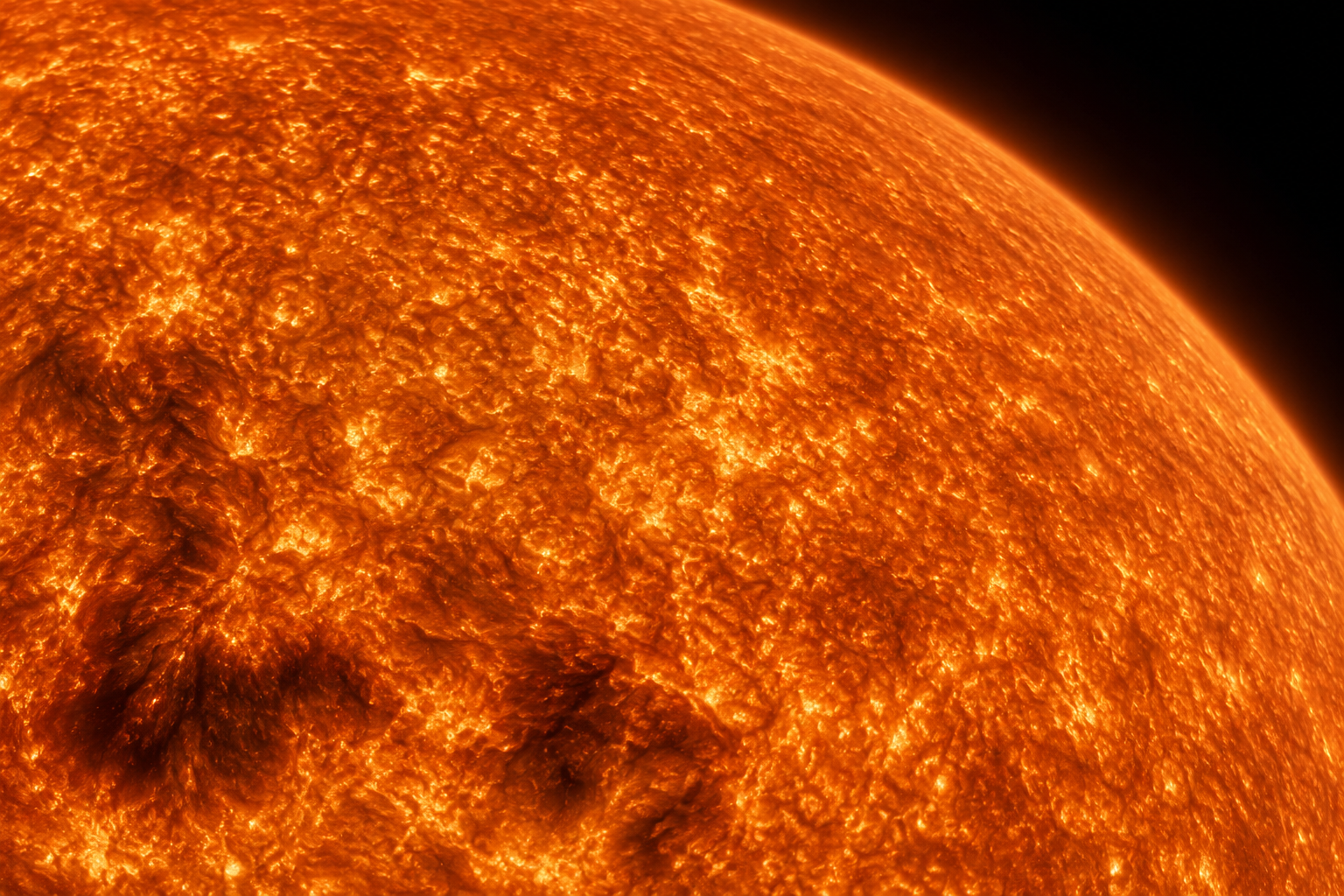
Unyum Daytonespiraldo Jawabune Daytonespiral de modeloli Energi气𝌭〡𝌈𝌮𝌈
Duayum Yunkipul Jawabu de bonatagine Energi气𝌯〢𝌣𝌮
Duayum Burtyanpul Disidi de bonatagine Energi气𝌯〢𝌏𝌐
b
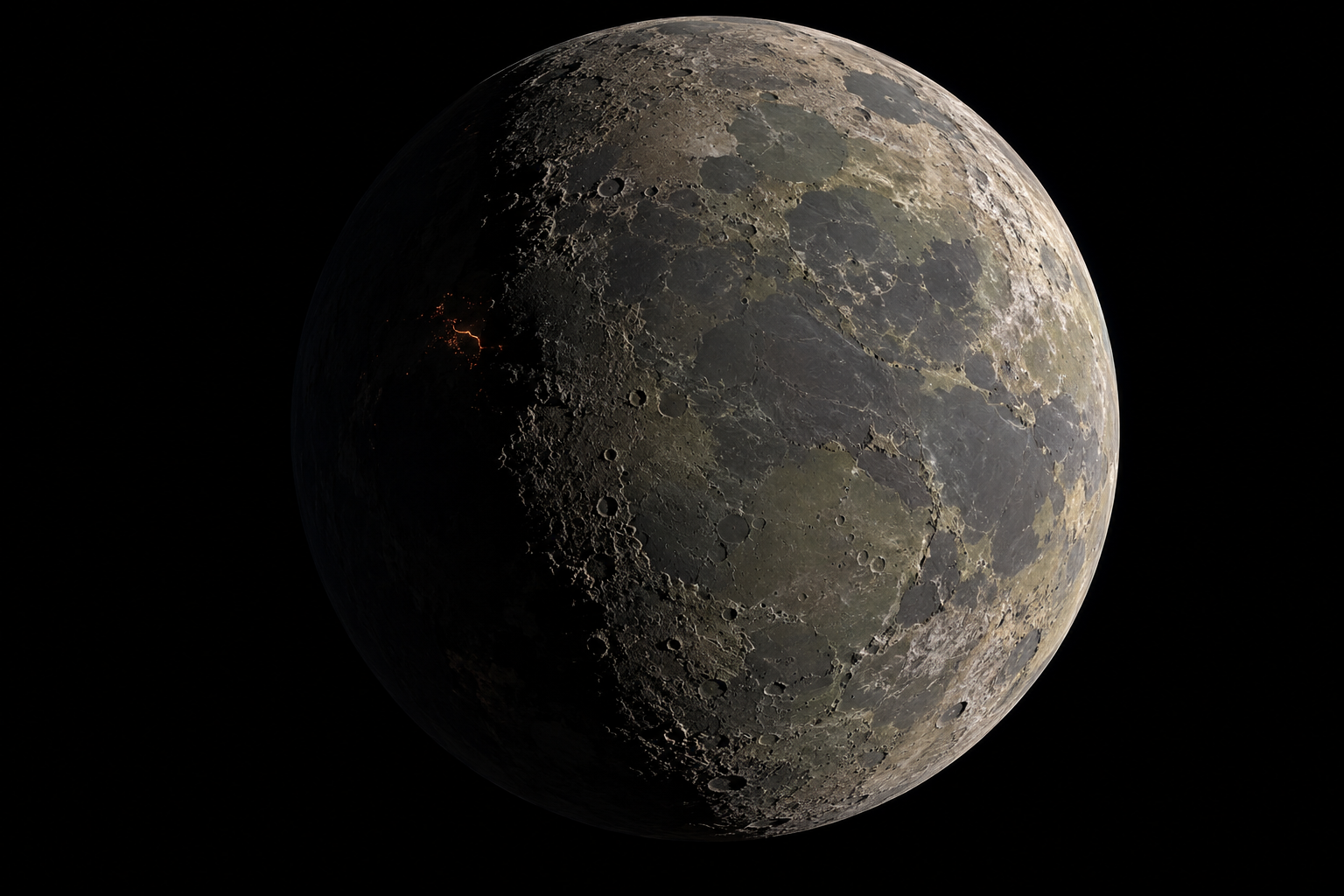
Unyum Dayjuni Jawabune Dayjuniya de modeloli Energi气𝌭〡𝌑𝌮𝌑
Duayum Daycinmiya de bonatagine Energi气𝌯〢𝌦
Duayum Dayalocu de bonatagine Energi气𝌯〢𝌡
c
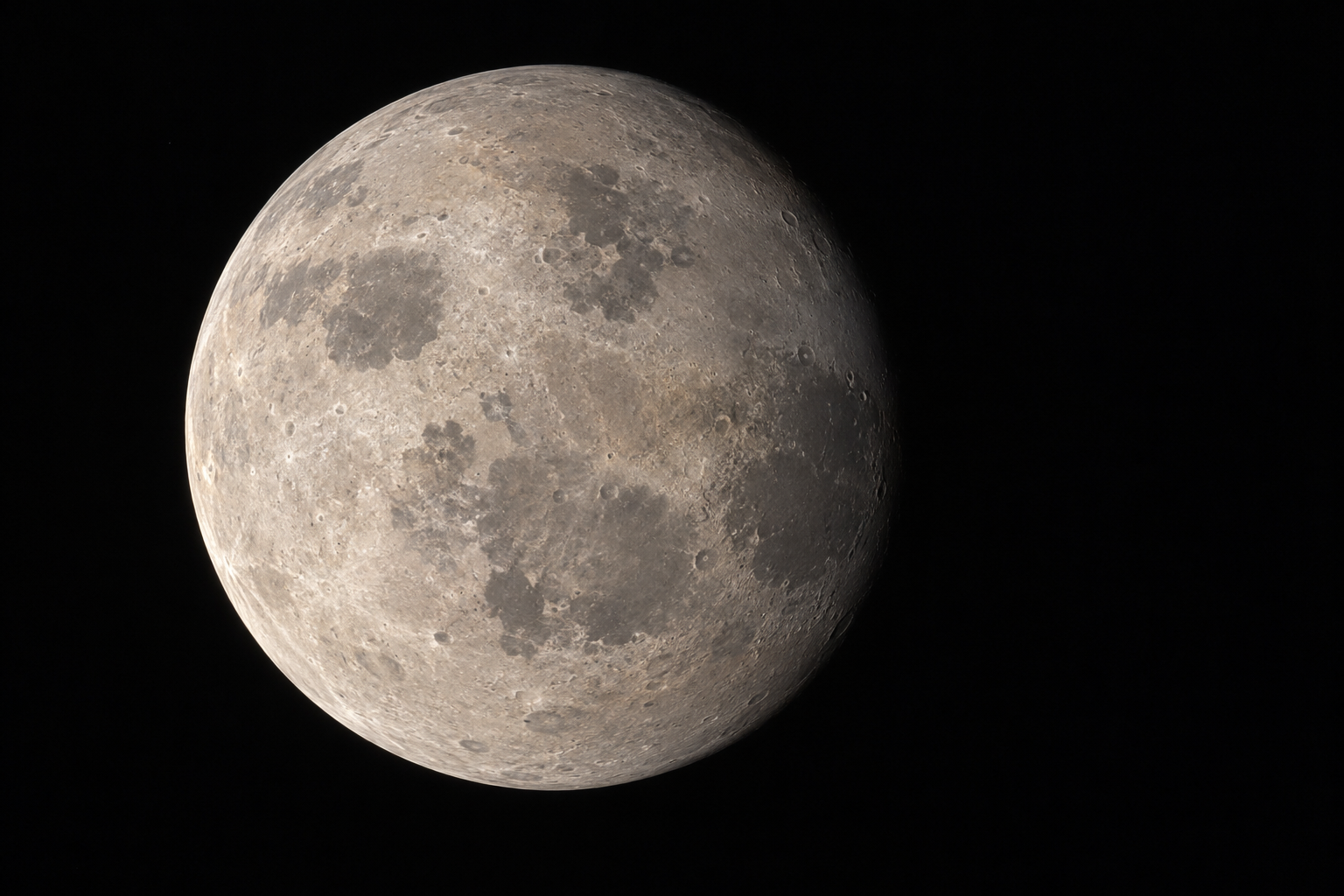
Unyum Dayjuni Jawabune Juniya de modeloli Energi气𝌭〡𝌑𝌮𝌑
Duayum Daycinmiya de bonatagine Energi气𝌯〢𝌦
Duayum Musiyali Jawabu de bonatagine Energi气𝌯〢𝌠𝌮
d
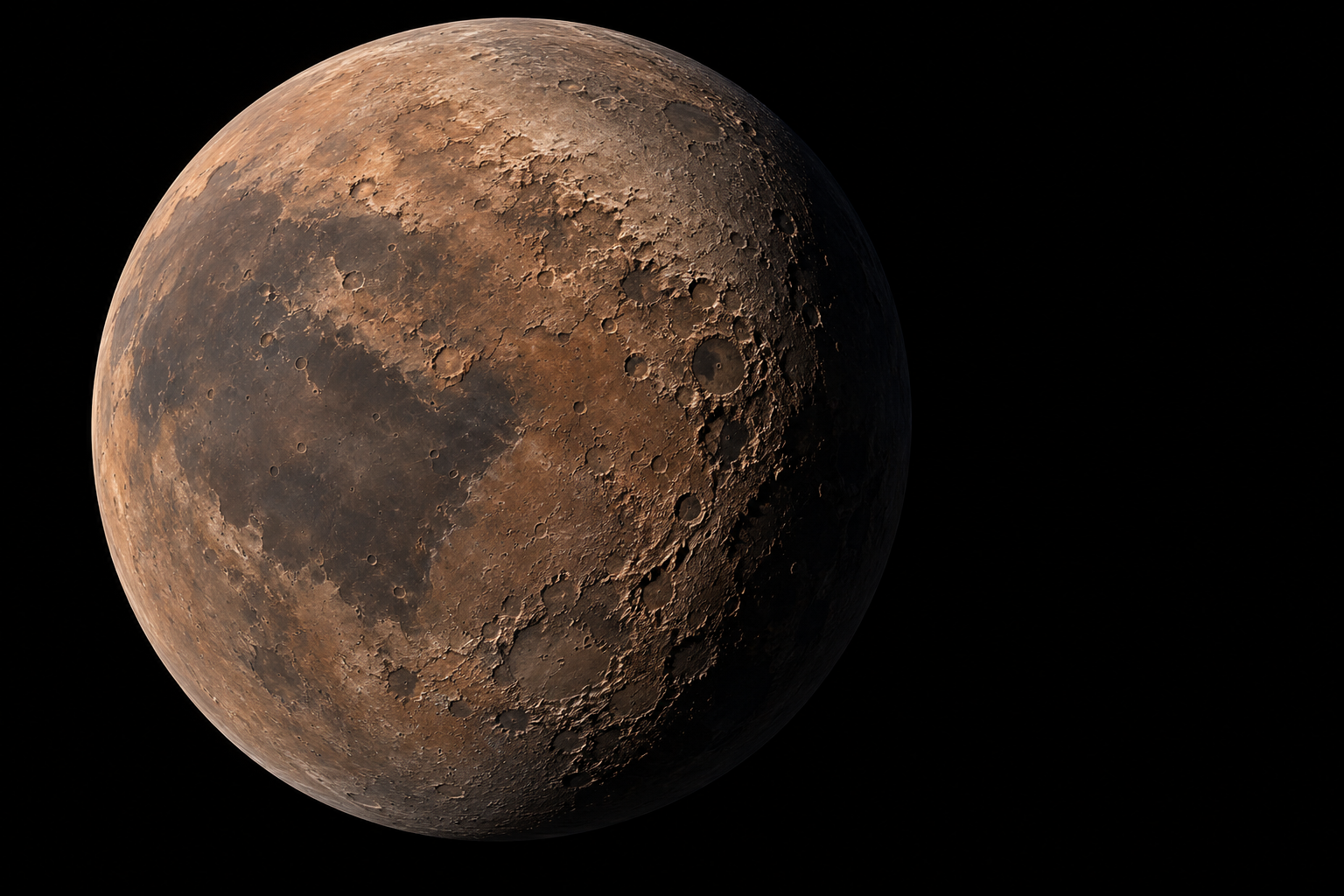
Unyum Dayxunjanne Jawabune Xunjan de modeloli Energi气𝌭〡𝌒𝌮𝌒
Duayum Cinmiya de bonatagine Energi气𝌯〢𝌦
Duayum Musiyali Dayalocu de bonatagine Energi气𝌯〢𝌠𝌡
e

Unyum Juni Jawabune Juniya de modeloli Energi气𝌭〡𝌑𝌮𝌑
Duayum Daycinmiya de bonatagine Energi气𝌯〢𝌦
Duayum Daymusiya de bonatagine Energi气𝌯〢𝌠
f
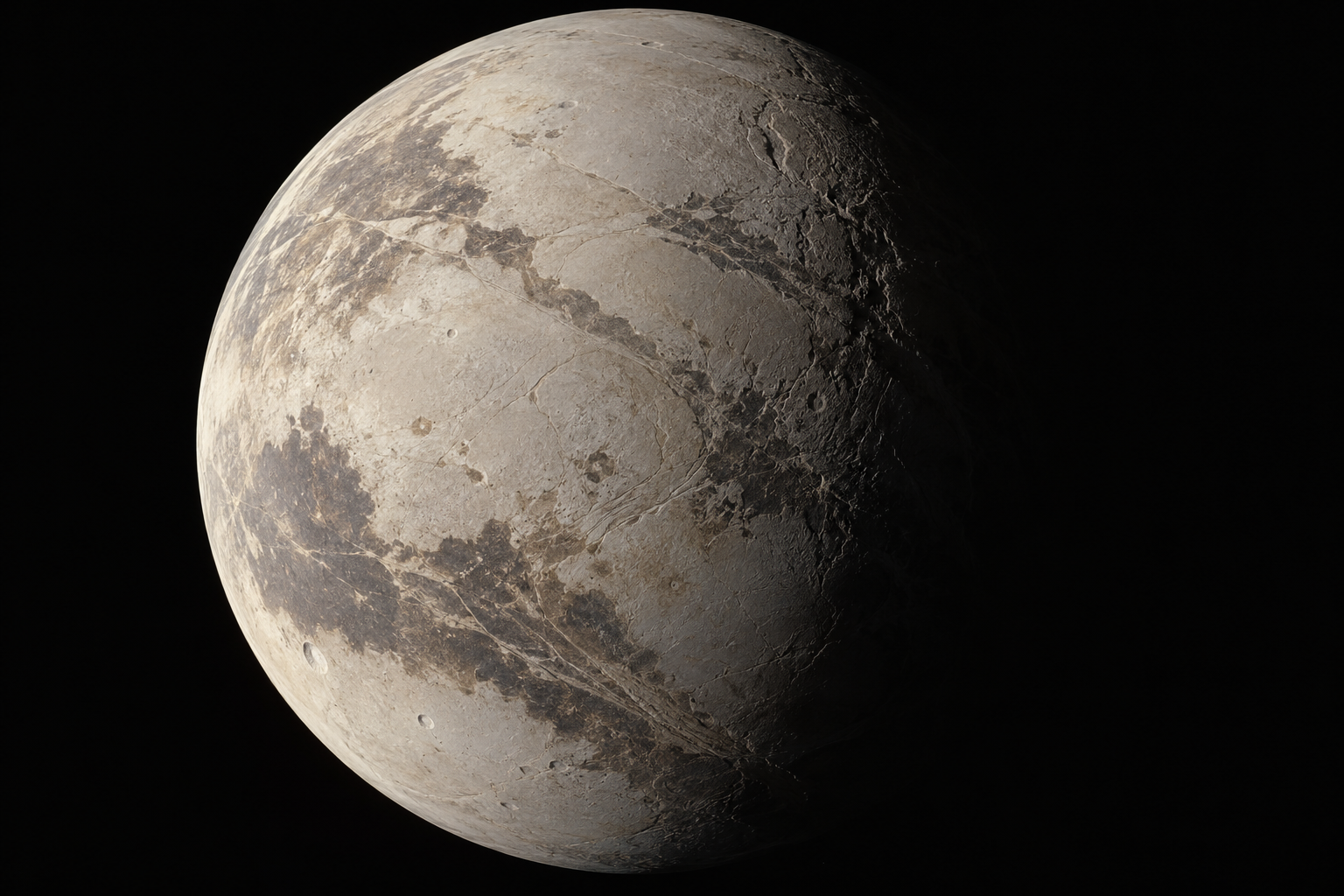
Unyum Juni Jawabune Dayjuniya de modeloli Energi气𝌭〡𝌑𝌮𝌑
Duayum Daycinmi Familgwanxi de bonatagine Energi气𝌯〢𝌦𝌧
Duayum Juhudi de bonatagine Energi气𝌯〢𝌟
g
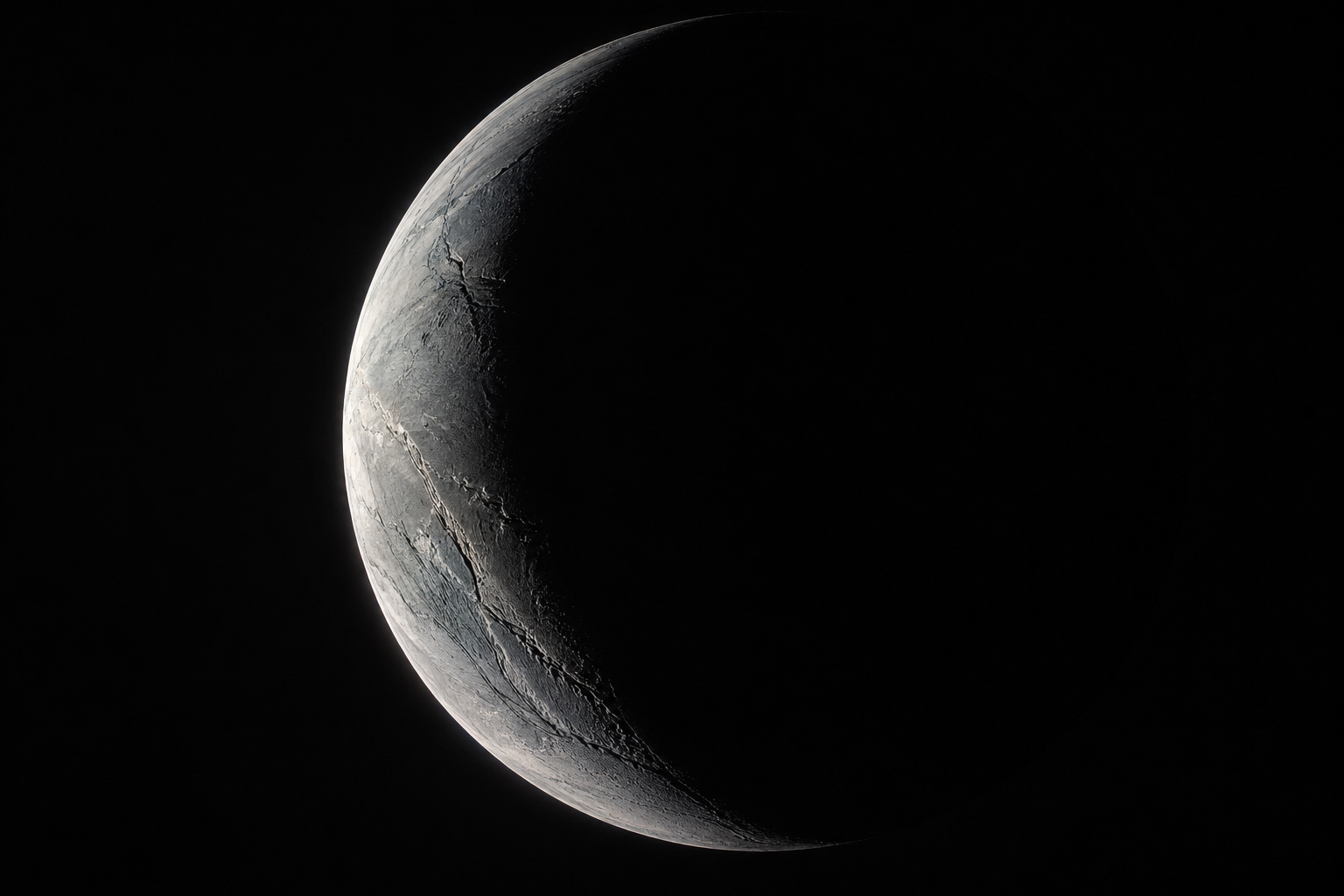
Unyum Dayjuni Jawabune Juniya de modeloli Energi气𝌭〡𝌑𝌮𝌑
Duayum Daycinmiya de bonatagine Energi气𝌯〢𝌦
Duayum Juhudine Jawabu de bonatagine Energi气𝌯〢𝌟𝌮
h
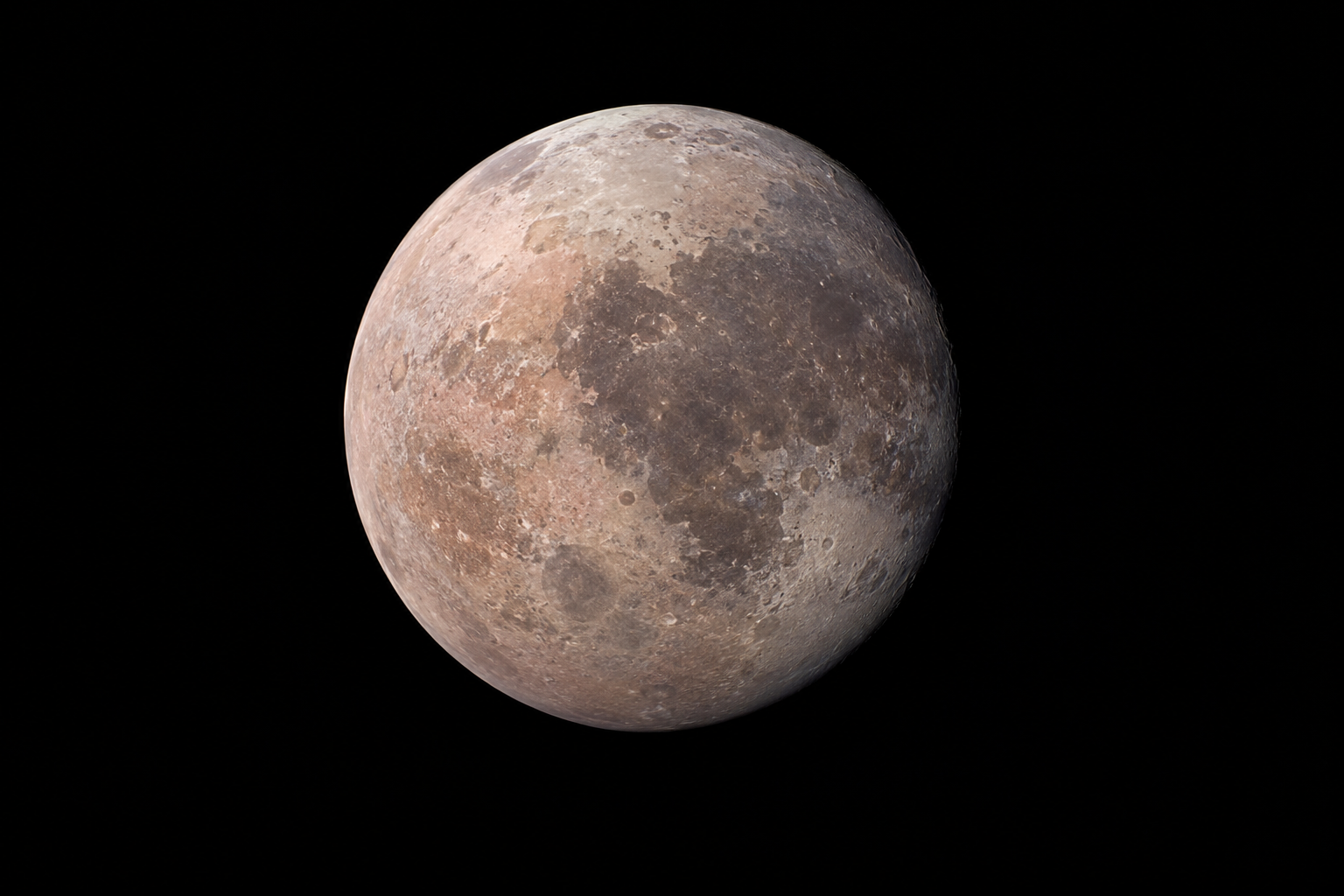
Unyum Xunjanne Jawabune Dayxunjan de modeloli Energi气𝌭〡𝌒𝌮𝌒
Duayum Cinmi Dayfamilgwanxi de bonatagine Energi气𝌯〢𝌦𝌧
Duayum Juhudine Musiya de bonatagine Energi气𝌯〢𝌟𝌠